Match forklift type to the environment
- Indoor slab work: Electric cushion‑tire units fit tighter aisles, smooth floors, and clean‑air requirements in active warehouses.
- Mixed indoor/outdoor: Pneumatic‑tire forklifts handle thresholds, dock plates, and occasional yard travel.
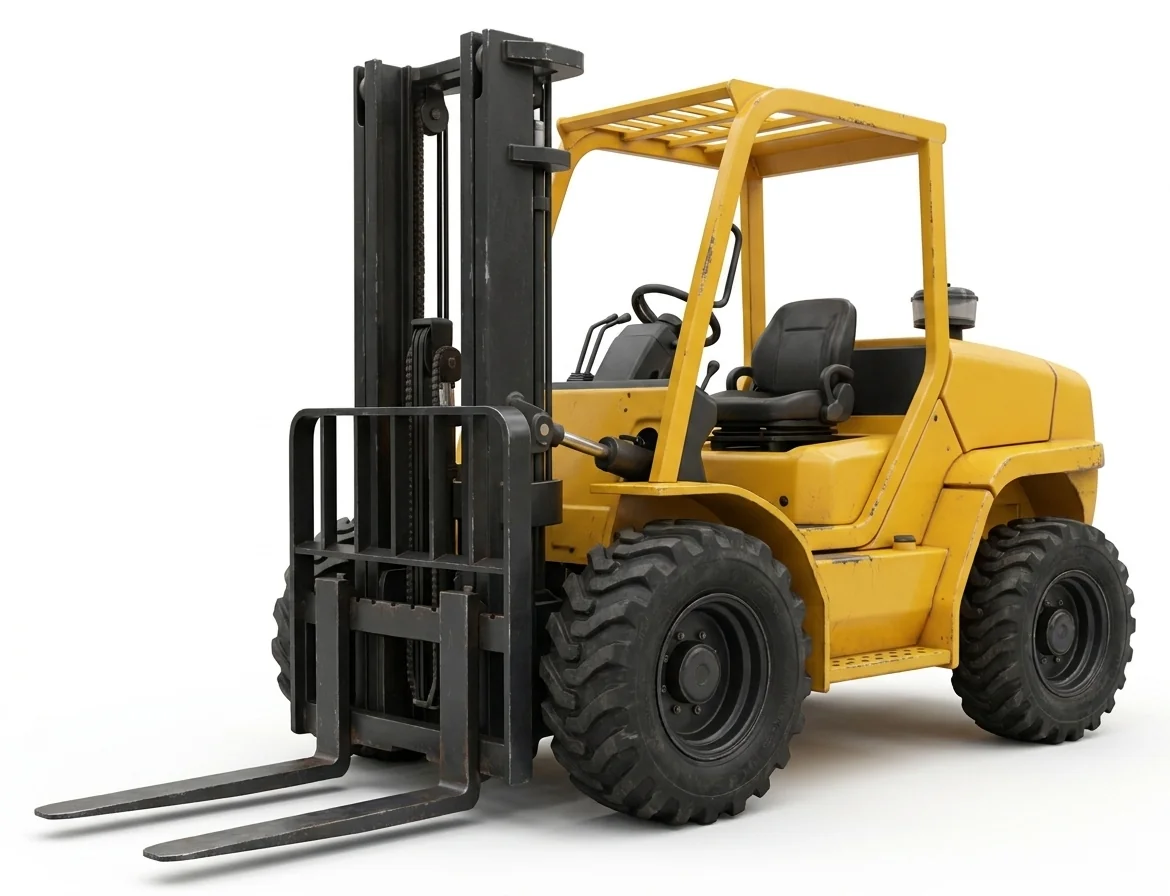
- Rough‑terrain: For sandy or uneven laydown areas, a heavy‑duty outdoor model improves traction and clearance.
Load and aisle constraints
- Load dimensions control mast selection and carriage options; long or high‑stack loads may need greater mast free‑lift for low‑overhead interiors.
- Aisle widths in distribution areas dictate turning radius and fork overhang at corners.
- Door and dock widths cap overall machine size; check the narrowest pinch point from storage to truck.
Coastal considerations
Persistent humidity and salt air can affect electrical systems and metal components on forklifts stored or used outdoors. Planning for weather‑resistant features and frequent inspections helps keep units reliable during longer assignments.
When another machine fits better
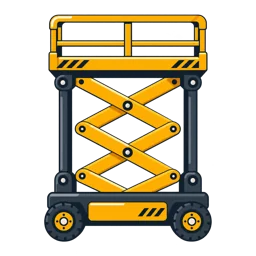
If the task involves placing materials at height over setbacks, a /telehandler-rental/ may be more efficient. For personnel access above racking or conveyor lines, look at /vertical-mast-lift-rental/ or /electric-scissor-lift-rental/.
Planning checklist
- Rated load at target lift height
- Minimum aisle, door, and dock dimensions along the route
- Floor condition, ramps, and any exterior sections with loose soil
- Expected exposure to moisture and salt air during storage