Match power to load and run time, then trace the route
Before sizing a generator, map the circuit distance and the duty cycle. Long cable runs across wide warehouse bays or yard space add voltage drop and trip hazards that can force different placement. If the unit must sit below the task location, plan room for cord management along dock lines, mezzanine stairs, or temporary cable ways.
- Identify continuous vs. intermittent loads and any motor inrush.
- Confirm space for cords through doorways, roll‑ups, or personnel corridors.
- Note ventilation expectations if the unit sits near doors that may close during storms.
Consider Charleston’s soil and moisture
Outdoor placements on sandy or uneven ground need a stable pad and clear drainage so exhaust and intake stay unobstructed. Salt air and high humidity in Charleston, SC accelerate corrosion on connectors and panel hardware. Weather‑resistant enclosures, frequent visual checks, and protected cable junctions reduce downtime during multi‑shift work.
Light tower positioning and glare control
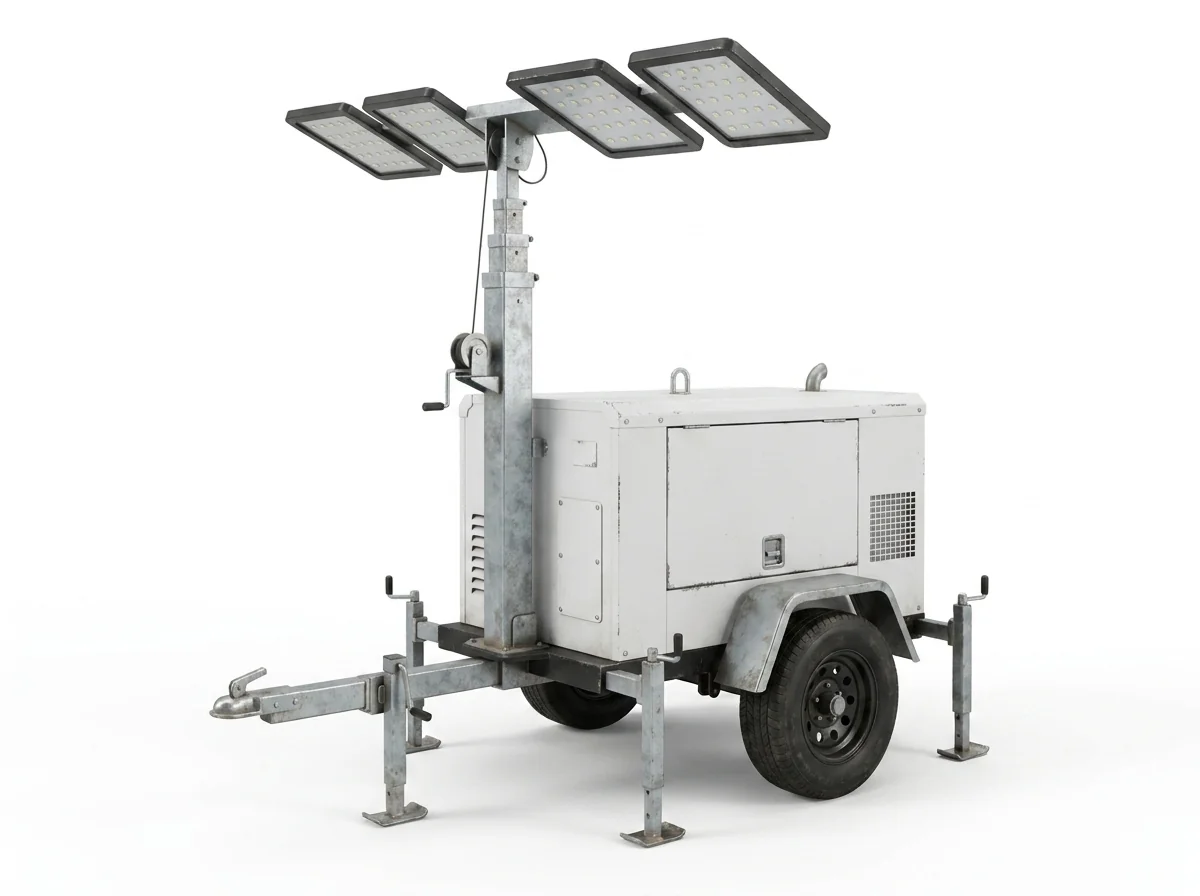
Warehouse aisles, staging yards, and medical facility approaches each have different light angles. If the tower must sit off to the side, mast height and head articulation determine whether you can clear racking or facade projections. Coastal wind gusts and soft ground can change site-stability planning and staging distance; actual site procedures and the unit’s instructions set those limits.
- Measure clear swing for mast raising inside or under canopies.
- Confirm setback from traffic aisles and emergency egress routes.
- Check reflectance off light‑colored walls in tight court‑yard spaces to avoid glare.
Indoor vs. outdoor constraints
Indoor power support in Charleston’s large logistics buildings may require quieter, low‑emission solutions with dedicated exhaust routing and spacing from pedestrian paths. Outdoor nighttime work near the water faces mist and blowing sand that can affect lamp output and outlets. Plan covers and cable height where vehicle traffic crosses temporary lines.
Related access needs
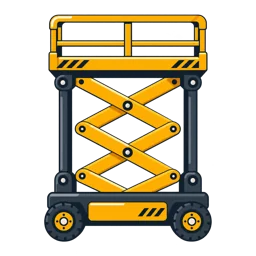
If power or lighting supports elevated work, verify the aerial plan first and stage equipment accordingly:
- For slab‑smooth interiors, see /electric-scissor-lift-rental/.
- For soft lots or uneven yards, see /rough-terrain-scissor-lift-rental/.
- For high or offset tasks, compare /boom-lift-rental/ and /articulating-boom-lift-rental/.