Start with the load plan and door access
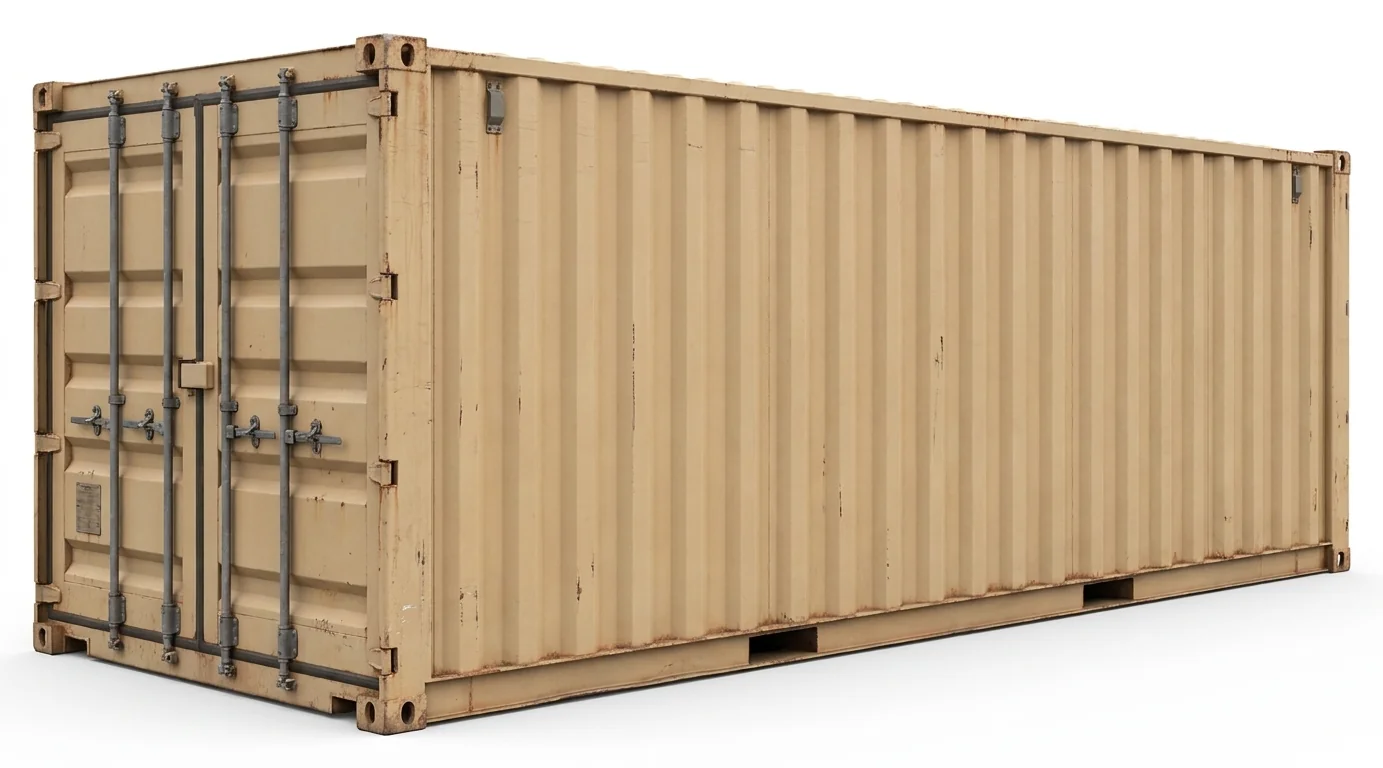
Decide if the container lives near receiving docks, inside a fenced yard, or along a temporary build line. Long, narrow aisles at local distribution buildings favor doors aligned to traffic flow. If pallet jacks or forklifts will serve the unit, confirm turning radius, ramp placement, and any slope that could affect entry.
- Measure the longest item length vs. container clear door width and height.
- Map forklift paths and grade changes across speed bumps or transitions.
- Check whether overhead lines or canopies limit delivery and setting.
Ground conditions on coastal lots
Charleston’s loose, sandy soils and high groundwater mean soft spots after rain and minor settlement over time. Containers concentrate load at corner castings, so bearing support and drainage matter. On mixed‑use sites, plan for tidal spray or blown sand that can migrate to door tracks and seals.
Corrosion and condensation concerns
Persistent humidity and salt air can accelerate rust on hinges and fasteners and promote interior condensation, especially when warm, moist air meets cooler steel. Sensitive materials may need desiccant strategies or breathable packaging. For longer placements, periodic checks of door gaskets and floor condition reduce surprises.
Security and traffic patterns
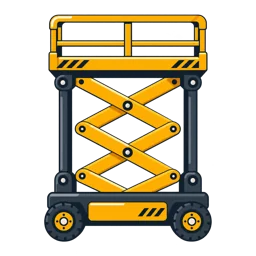
Busy sites near industrial corridors often reroute vehicles as phases change. Keep sightlines clear at corners, maintain emergency egress, and avoid placing containers where later crane or lift access will be blocked. If elevated work is planned above or adjacent, coordinate clearances with the aerial plan so mast swing and platform access stay unobstructed.
- For indoor elevated tasks near the container, see /electric-scissor-lift-rental/.
- For uneven exterior areas, compare /rough-terrain-scissor-lift-rental/ and /telehandler-rental/ for staging support.
Delivery approach
Tight Charleston alleys and crowded yards can restrict tilt‑bed or chassis movements. Confirm approach length, turning room, and any weight limits on private drives before scheduling. Overhanging limbs and low signage can also affect set‑down position.